
Calculating the cost of education in SA: a case study
Take a look at how a South African family is able to work out what they can afford to spend on their children’s education.
By UCT Online High SchoolPublished 3 min read

Figuring out which schools you can afford can be a confusing process. To help clarify how this works in practice, here’s an example of a South African family looking at their schooling options.
The Mlonyeni family includes Andile (father), Cebokazi (mother) and their two children. Their children are in Grade 7 and Grade 5. Both parents are employed.
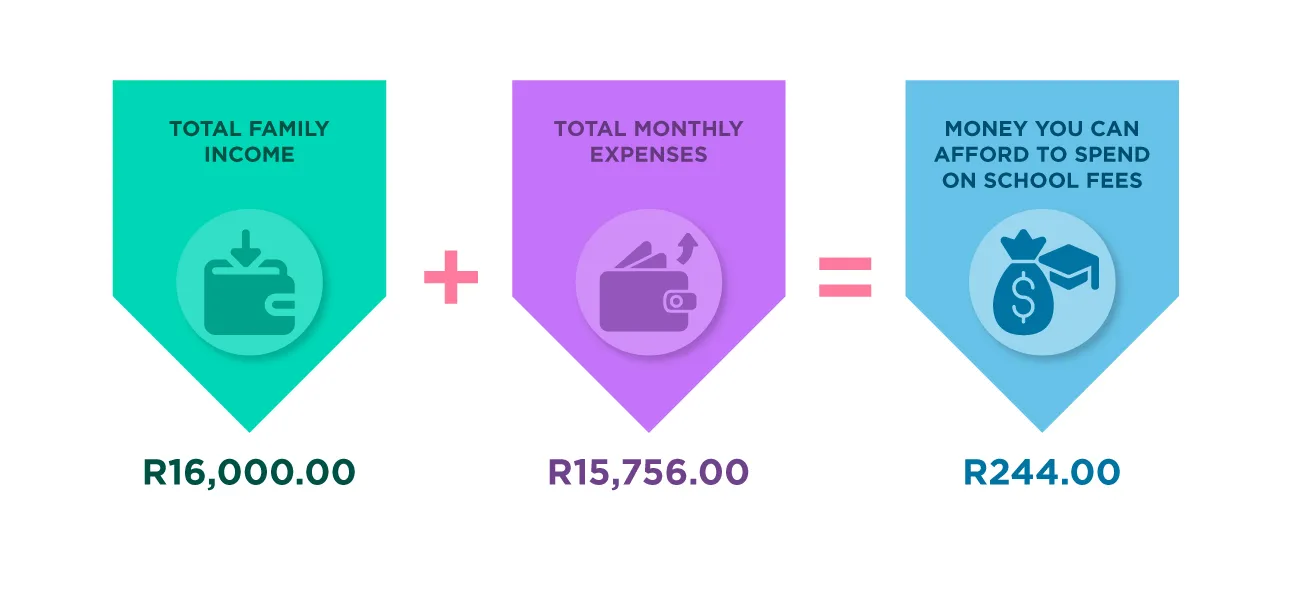
Andile works as an Uber driver and Cebokazi works in security at a local shopping mall. Their combined monthly income is R16,000.00 and they don’t have any savings. They rent their home and pay monthly installments on their car.
Summary
- Work out your family budget
- Investigate your schooling options
- Visit the schools in person before making a final decision
Work out your family budget
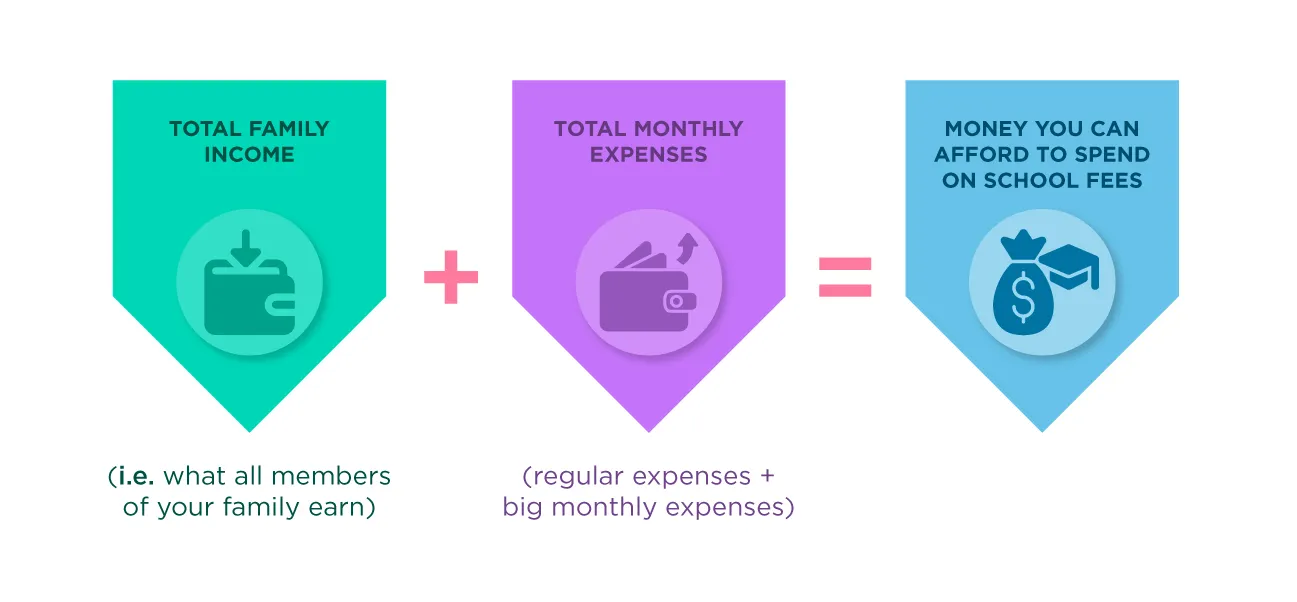
To work out your family budget you’ll need to work out your total family income (i.e. what all members of your family earn) and your total family expenses per month.
To work out your expenses, you’ll need to gather information on your regular monthly expenses (e.g. costs for things like housing, clothing, food, electricity and gas, medical bills etc.), and any big purchases you’re planning to make in the next twelve months (e.g. family holiday, new car, home renovations, wedding).
Take the total cost of these big purchases and divide this number by 12 to work out the monthly cost of these things. Your total monthly expenses will be equal to your regular monthly expenses plus your monthly cost of big items.
By subtracting your total expenses from your total monthly income, you’ll work out the amount of money that you have available for the cost of high school education.
What does the Mlonyeni family budget look like?
When Andile and Cebokazi worked out their family budget, they found that Cebokazi’s income was able to cover most of the regular monthly expenses including rent, food, and electricity.
Their other expenses (such as car payments and medical bills) are dependent on Andile’s income, which can be uncertain.
By figuring out the family budget, Andile and Cebokazi were able to see that they don’t have much predictable monthly income to put towards their children’s school fees.
Investigate your schooling options
Based on the money you have for school fees, your next step will be to figure out which schools you can afford to send your child to. Most schools list their fees on their websites, but you may need to contact them directly for this information and information on any additional costs (for things like placement fees or uniforms).
Once you’ve gathered all this information on fees, you may need to eliminate additional school options because hidden costs have now made these options unaffordable.
What schools are available to the Mlonyeni family?
Because the Mlonyeni family doesn’t have savings, and only has a very limited and unpredictable amount of money to contribute towards fees (R244.00), their best option is to consider a “no fee” public school or to apply for a full exemption from a fee-charging public school.
Learn more about fee exemptions from our post on your child’s rights to basic education in South Africa.
Visit the schools in person before making a final decision
Once you’ve identified your school options, it’s a good idea to visit these schools in person if you can. This will help you and your children to get a better idea of which schools will be a better fit for your family.
What school did the Mlonyeni family choose?
Because the Mlonyeni qualify for fee-free schooling, their options include three state schools. Two of these schools charge additional fees. The final school is totally fee-free.
The family visits all three schools and decides on the fee-free school. This school is the most affordable option for them and they are very impressed with the commitment and dedication of the school principal.
Get step-by-step instructions
For more detailed step-by-step instructions on how to calculate what you can afford to spend on your child’s education you can take a look at our guide: The real cost of high school.